27.11.2026
How to Store Firewood: 8 Practical Tips
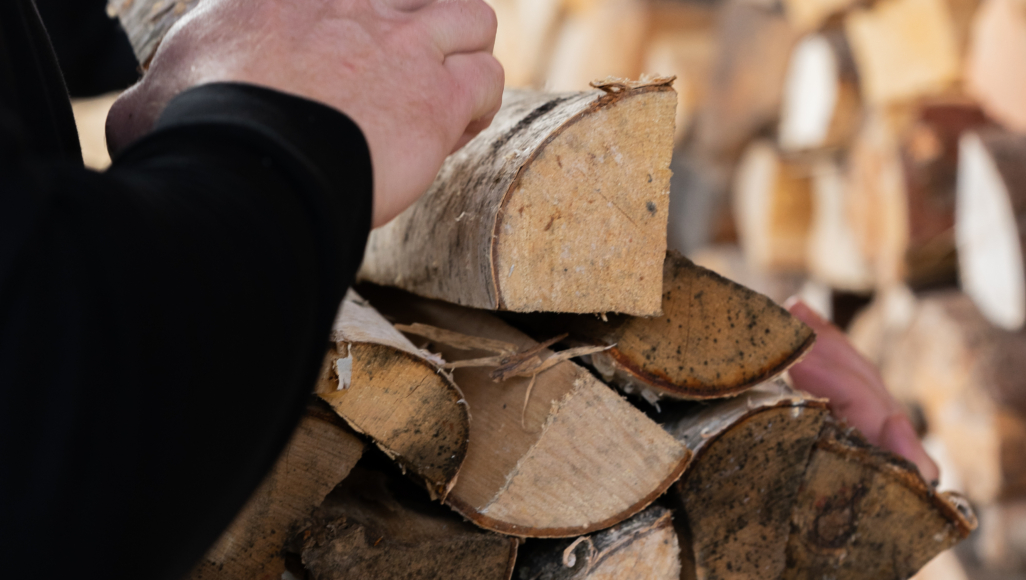
How to store firewood properly starts with three essentials: keep it off the ground, protect it from rain and snow, and allow plenty of airflow. Covering your logs too tightly can actually slow the drying process by trapping moisture inside the stack.
Proper firewood storage helps logs dry more effectively, light more easily, and burn efficiently. This is especially important for wood-burning sauna stoves, where dry firewood supports consistent heating and helps reduce unnecessary smoke.
These eight practical tips will help you store firewood outdoors, check when it’s ready to burn, and prepare it for your next sauna session.
Firewood Storage Essentials:
- Keep firewood raised off the ground to prevent moisture absorption.
- Protect the top of the stack from rain and snow.
- Leave the sides open to allow air to circulate.
- Allow freshly cut wood enough time to season before burning.
8 Tips for Storing Firewood Properly
These eight tips for storing firewood properly cover everything from choosing the right storage location to checking whether your logs are ready to burn.
1. Choose a Dry, Well-Ventilated Storage Area
Choose a dry, well-ventilated storage area, such as a woodshed or covered outdoor firewood rack. The ideal location protects logs from rain and snow while allowing fresh air to circulate.
If you don’t have a dedicated woodshed, a simple covered rack in your backyard can work just as well. Whenever possible, choose a sunny, breezy location. Sunlight and moving air help freshly split wood release moisture.
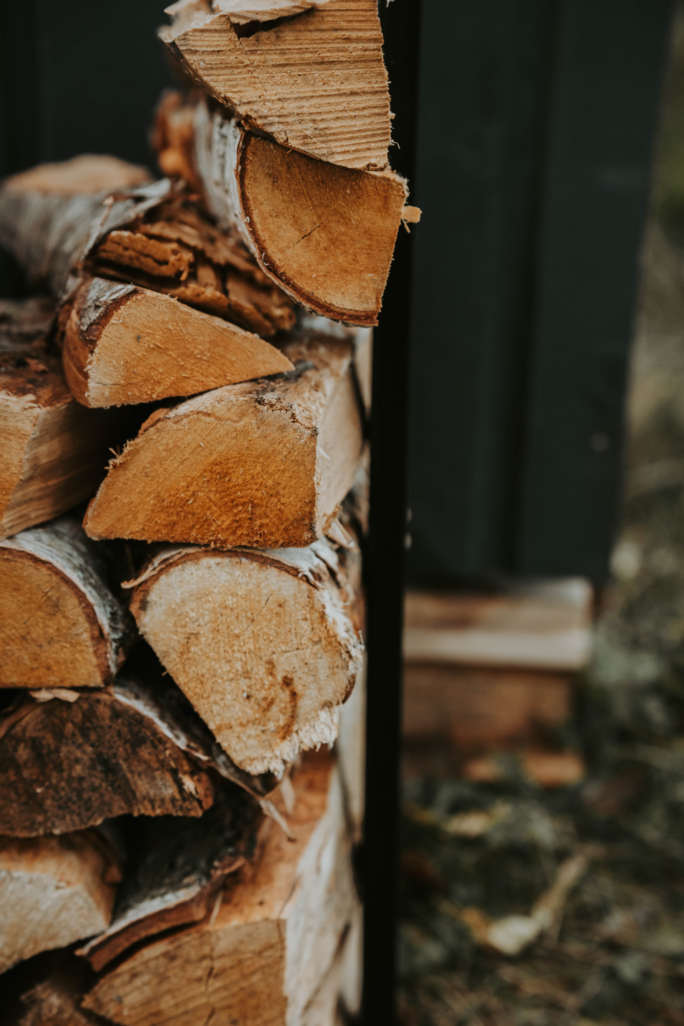
Avoid damp, enclosed spaces with little ventilation. Without sufficient airflow, moisture can remain trapped around the logs, slowing the drying process and increasing the risk of mold.
In regions with frequent rainfall or heavy snowfall, make sure your storage area provides enough overhead protection to prevent the wood from getting repeatedly soaked.
2. Keep Firewood Off the Ground
Keep firewood off the ground to prevent moisture from soaking into the bottom logs. Wood stacked directly on soil or grass can absorb ground moisture, making it more difficult to dry and increasing the risk of decay.
Raise your firewood using a sturdy rack, concrete blocks, or wooden pallets. Pressure-treated lumber can also be used as structural supports, provided it is kept separate from the firewood intended for burning.
Helpful tip: Make sure air can circulate underneath the stack as well as around it. This helps keep the bottom logs dry.
Whatever support you choose, ensure the structure is stable and can safely hold the weight of the stacked wood.
3. Cover the Top, but Leave the Sides Open
Cover the top of your firewood stack to protect it from rain and snow, but leave the sides open so moisture can escape.
Wrapping an entire woodpile tightly in a tarp can trap moisture and slow the drying process. A roofed shelter or a properly positioned tarp is usually a better solution.
If you’re using a tarp, cover only the top of the stack and allow rainwater to run off without collecting on the wood. Avoid wrapping the sides tightly, particularly when storing freshly cut logs.
According to the U.S. Environmental Protection Agency (EPA), firewood should be stored outdoors, raised off the ground, with only the top covered.
Remember: Firewood needs protection from the weather, but it also needs airflow to dry.
4. Stack Firewood Properly
Stack firewood properly to encourage even drying, prevent the pile from collapsing, and make individual logs easy to access.
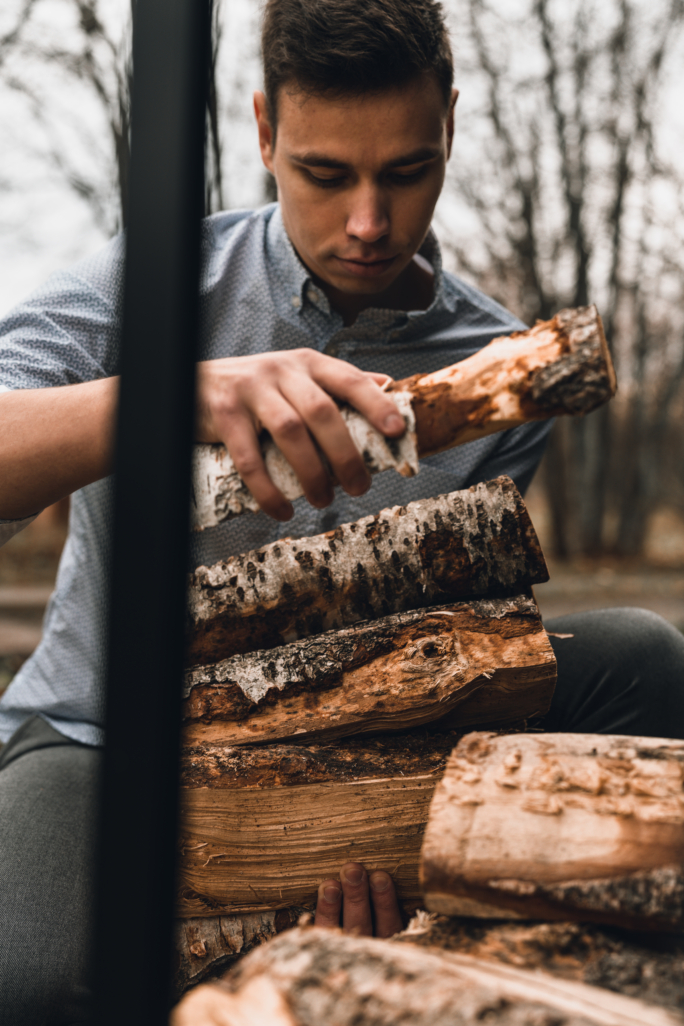
Arrange the logs in stable rows rather than piling them randomly. Freshly split firewood should not be packed too tightly, as spaces between the logs help moisture escape.
If you store firewood near a building, leave a gap between the stack and the wall. This allows air to circulate and helps reduce moisture buildup against the structure.
For long-term storage, a freestanding firewood rack is generally preferable to stacking logs directly against your home. Woodpiles can provide shelter for insects and rodents, so keeping them separate from the building can help reduce pest problems.
Make sure the stack is stable, particularly if children or pets use the surrounding area. Sturdy end supports can help prevent logs from rolling or falling.
5. Allow Enough Time for Firewood to Season
Allow enough time for firewood to season before using it in your wood-burning sauna stove. Seasoning is the natural drying process that reduces the moisture content of freshly cut wood.
Freshly cut logs contain a considerable amount of water. Burning them before they have dried properly can make lighting the fire more difficult and increase smoke production.
The drying time depends on several factors:
- Wood species: Softwoods generally season faster than dense hardwoods.
- Log size: Smaller, split logs dry faster than large, unsplit pieces.
- Climate: Warm, dry, and breezy conditions encourage faster drying.
- Storage conditions: Good ventilation and protection from rain help moisture escape.
As a general guideline, the EPA recommends allowing at least six months for softwood and at least 12 months for hardwood to season. However, these are estimates rather than guarantees. Some dense hardwoods, such as oak, may take longer depending on the conditions.
To help your firewood dry more efficiently, split larger logs as soon as possible and stack them in a sunny, well-ventilated location.
Rather than relying on a fixed drying period, check the wood itself before burning it. Even logs stored for a long time may still contain too much moisture if the drying conditions were poor.
6. Check Firewood Moisture Before Burning
Check firewood moisture before burning, even if the logs look and feel dry on the outside.
A log can appear completely dry while still holding too much moisture inside. This is why checking the surface alone isn’t always enough.
The U.S. Environmental Protection Agency (EPA) generally recommends firewood with a moisture content below 20%. However, the ideal moisture level can vary depending on the stove. Always follow your sauna stove manufacturer’s instructions, as some models have more specific requirements.
The most reliable way to check firewood moisture is with a moisture meter. These devices are widely available at hardware stores and online.
How to Check Firewood Moisture:
- Select a representative log from your firewood stack.
- Split the log to expose the inner wood.
- Place the moisture meter probes against the freshly exposed surface, following the meter manufacturer’s instructions.
- Check the reading against your sauna stove manufacturer’s recommended moisture range.
Seasoned firewood may also show visible signs of drying. Logs often become lighter, develop cracks at the ends, and have bark that loosens more easily.
However, these signs are not always reliable. Wet firewood is harder to ignite, produces less useful heat, and can increase smoke and soot formation.
A quick moisture check can help you avoid a frustrating sauna heating session.
7. Bring Firewood Indoors Before Heating Your Sauna
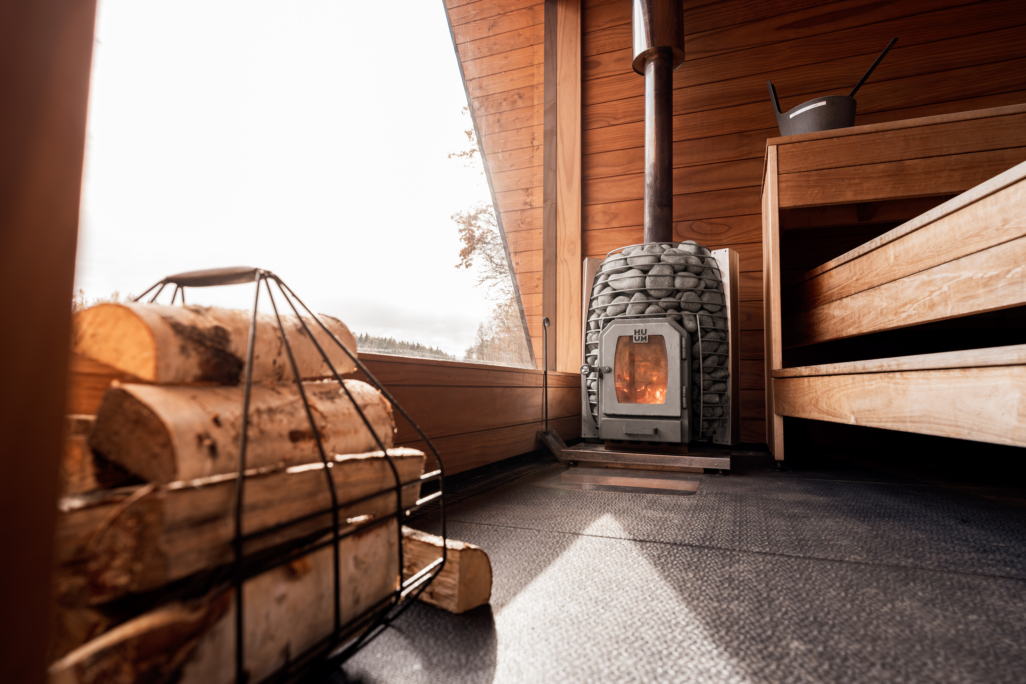
Bring firewood indoors before heating your sauna during colder months to allow the logs to warm up and any surface moisture to dry.
Firewood stored outdoors may be exposed to snow, frost, or cold weather. When cold logs are moved into a warmer room, condensation can form on their surface.
The Estonian sauna book Saun. Ajalugu. Kultuur. Tervis. Ehitus (Sauna: History, Culture, Health, and Construction, 2023) recommends bringing firewood indoors at least a day before heating the sauna during fall and winter.
The EPA also recommends bringing firewood, particularly kindling, indoors the night before burning to allow it to reach room temperature and shed surface moisture.
Only bring in the amount of firewood you expect to need for your next sauna session. Store it in a designated, dry location outside the hot sauna room, safely away from the sauna stove, chimney connections, and other heat sources.
Avoid keeping large amounts of firewood indoors for extended periods, as logs may introduce insects and other pests into the building.
Important: Bringing wet or freshly cut wood indoors for a day does not replace proper seasoning. The logs should already be sufficiently dry before use.
8. Use Older Firewood Before Newer Logs
Use older firewood before newer logs, provided it is properly seasoned and ready to burn.
Keep freshly cut logs separate from your ready-to-burn supply. If possible, divide your woodshed into two sections: one for seasoned firewood and another for logs that still need time to dry.
Remember that older firewood isn’t automatically better. Wood stored in damp conditions may still contain too much moisture, regardless of how long it has been stored.
Before burning, check that the logs are dry, solid, and free from significant decay.
What Is the Best Firewood for a Wood-Burning Sauna Stove?
The best firewood for a wood-burning sauna stove is properly seasoned, untreated wood that meets the manufacturer’s recommendations for fuel type, log size, and maximum load.
In North America, common firewood choices include oak, maple, birch, and other locally available hardwoods. Other wood species may also be suitable, depending on the stove manufacturer’s instructions.
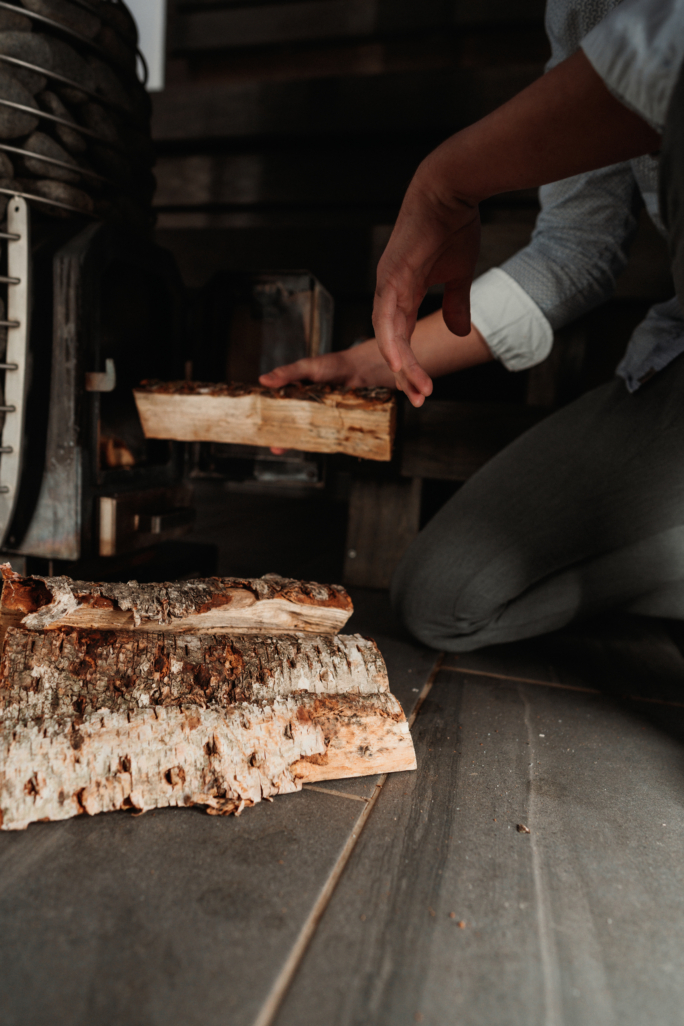
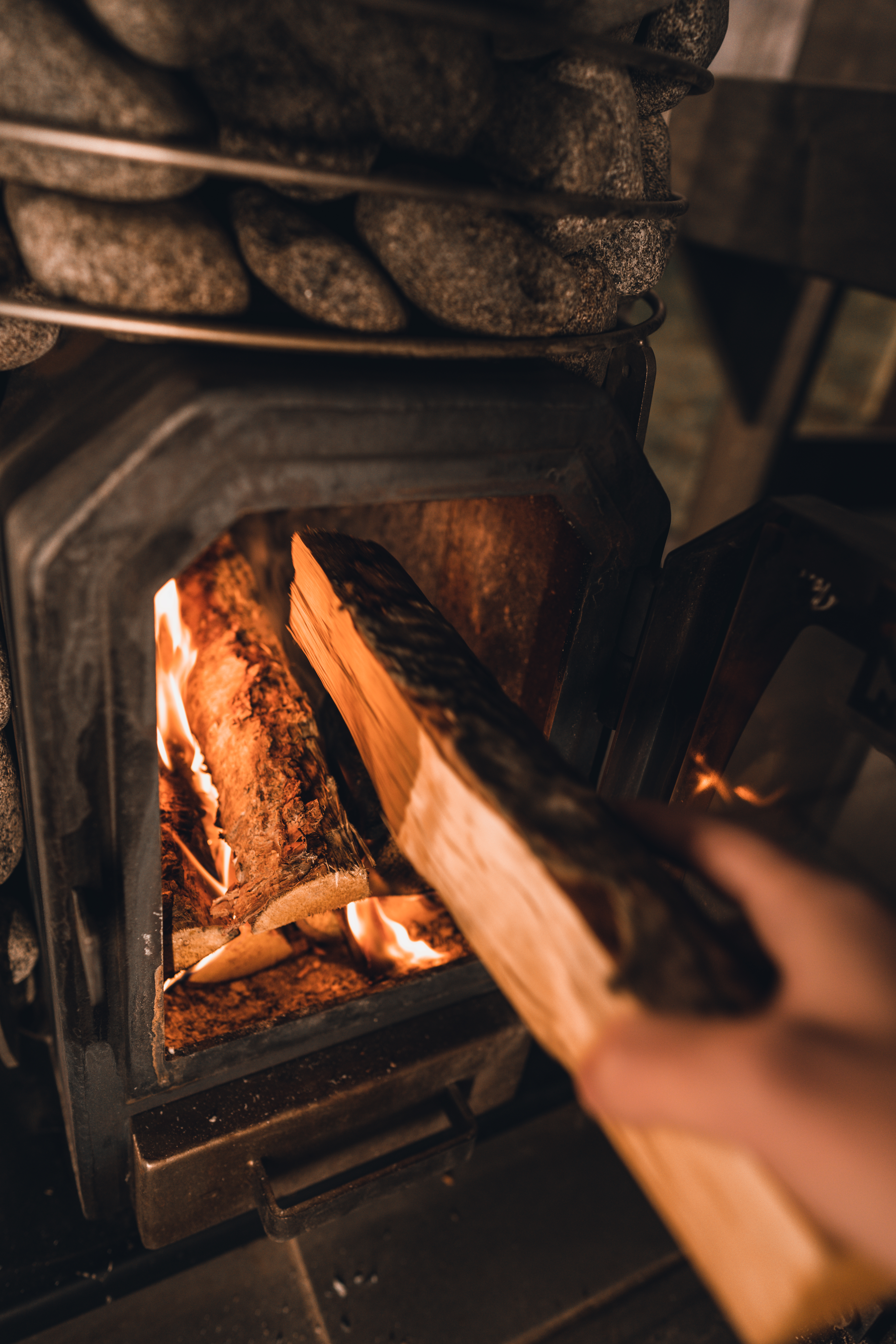
Different wood species have different densities and burning characteristics. Dense hardwoods such as oak generally contain more energy per log of the same size than lighter woods, provided their moisture content is comparable.
An important detail is that the amount of firewood matters just as much as the type. Two logs of similar size may weigh very different amounts depending on the wood species.
When choosing firewood for your sauna, remember these principles:
- Use properly seasoned wood. Check that it meets your stove manufacturer’s recommended moisture range.
- Check the recommended log size. Firewood should fit comfortably inside the firebox without forcing the stove door closed.
- Follow the recommended fuel load. The maximum amount of firewood is often specified by weight rather than the number of logs.
- Avoid treated or painted wood. Pressure-treated lumber, plywood, painted wood, and construction waste can release harmful substances during combustion and may damage the stove.
For HUUM wood-burning sauna stoves, such as HIVE Wood and HIVE Flow, choosing suitable firewood is an important part of preparing for a sauna session.
Always consult the operating manual for your specific stove to check the recommended firewood dimensions, maximum fuel load, and heating instructions.
Buy Firewood Locally Whenever Possible
Buy firewood locally whenever possible to help prevent invasive insects and tree diseases from spreading between regions.
Transporting untreated firewood over long distances can introduce harmful pests into forests and other natural areas.
The U.S. Department of Agriculture (USDA) recommends buying firewood near the location where it will be burned.
If you need to transport firewood, check applicable state and local regulations. Certified heat-treated firewood may be required in some situations.
Why Does Dry Firewood Matter for Sauna Heating?
Dry firewood matters for sauna heating because it supports efficient combustion, more consistent heat, and better overall stove performance.
When wood contains too much moisture, part of the energy produced during combustion is used to evaporate water instead of heating the stove.
Burning wet logs can also lead to incomplete combustion, producing more smoke, soot, and harmful emissions.
In a wood-burning sauna, consistent heating helps the sauna stones reach a suitable temperature. When water is poured over hot sauna stones, it creates leil, the distinctive wave of heat and humidity central to the traditional Estonian sauna experience.
The condition of the firewood therefore affects more than simply how easily a fire starts. Properly seasoned logs help create the conditions for an enjoyable sauna session.
HUUM wood-burning sauna stoves combine traditional wood-fired heating with modern sauna design. Following the manufacturer’s heating instructions and using the correct amount of dry firewood helps support reliable operation.
For model-specific guidance, consult the HUUM wood-burning sauna stove support section or the installation and operating manual supplied with your stove.
Keep Your Firewood Ready for Every Sauna Session
Keeping your firewood ready for every sauna session starts with proper storage and a little planning.
A covered, well-ventilated storage area, stable stacking, and sufficient seasoning time help protect your firewood from excess moisture.
Checking the moisture content before burning and keeping a small supply of dry logs ready for your next sauna session can also make the heating process easier.
With properly stored firewood, you can spend less time struggling to light the stove and more time enjoying the warmth of a wood fire, the gentle leil, and the traditional sauna experience.
Frequently Asked Questions About Firewood Storage
- Can You Store Firewood Outside?
Yes, you can store firewood outside as long as it is raised off the ground, protected from rain and snow, and exposed to sufficient airflow. A covered firewood rack or well-ventilated woodshed is usually a good option.
- How Long Does Firewood Take to Dry?
Firewood can take several months to more than a year to dry, depending on the species, log size, climate, and storage conditions. The EPA recommends at least six months for softwoods and 12 months for hardwoods as general guidelines. Use a moisture meter to determine whether the wood is sufficiently dry rather than relying on drying time alone.
- Can You Store Firewood in a Garage?
Yes, small amounts of dry firewood can be stored in a suitable, well-ventilated garage if local fire safety requirements permit it.
However, enclosed garages are generally not ideal for seasoning freshly cut wood because limited airflow can slow drying. Keep firewood away from vehicles, fuel, chemicals, and ignition sources, and avoid introducing pests into the building.
- How Can You Tell If Firewood Is Dry?
Dry firewood may feel lighter than freshly cut wood of the same species and size, have cracks at the ends, or show loose bark.
However, the most reliable method is to use a moisture meter on the freshly split inner surface of a log.
- Can You Store Firewood Inside a Sauna Building?
You can keep a small amount of dry firewood inside a sauna building if there is a suitable storage area that meets the stove manufacturer’s safety requirements.
Never store logs within the required safety clearances of the stove, chimney, or flue connections. For larger quantities, a separate woodshed or covered outdoor rack is generally preferable.
- What Moisture Content Is Best for Firewood?
The best moisture content depends on your wood-burning stove. The EPA generally recommends firewood below 20% moisture, but some sauna stoves require a more specific range.
Always check your stove’s operating manual and use a moisture meter to test the freshly split interior of a log.
Sources
- U.S. Environmental Protection Agency (EPA) – Best Wood-Burning Practices. Guidance on seasoned firewood, moisture content, storage conditions, and safe burning practices.
- U.S. Environmental Protection Agency (EPA) – Energy Efficiency and Your Wood-Burning Appliance. Information about firewood moisture, seasoning times, and how wet wood affects combustion efficiency.
- U.S. Environmental Protection Agency (EPA) – Tips for a Better Burn. Recommendations on preparing firewood and bringing kindling indoors before burning.
- U.S. Department of Agriculture (USDA), Animal and Plant Health Inspection Service – Help Protect America’s Trees: Buy Firewood Where You Burn It (October 1, 2026). Recommendations on buying local firewood and preventing the spread of invasive forest pests.
- Hõbepappel, Urmas; Hõbepappel, Liisa; Nellis, Silja; Nellis, Siim (2023). Saun. Ajalugu. Kultuur. Tervis. Ehitus. Populus alba, pp. 150–152. Reference for firewood preparation, moisture, suitable wood species, and traditional sauna heating practices.